Only news originating in United States, ranked for the selected language
· N GLOBE
TOP STORYVerified report
United States · AI safety
Bessent says US and China agree to formal AI safety dialogue, with Shenzhen follow-up planned
Treasury Secretary Scott Bessent said on September 21 that the United States and China agreed to formalize an AI safety dialogue, including an incident line, and plan to meet again in Shenzhen in about two months. They discussed extending the trade truce due to expire November 10 but reached no extension agreement.
Why it matters
The arrangement is a substantive step beyond Washington's initial proposal and could provide direct communication over runaway agents or malicious uses of AI. Its procedures, scope and legal force have not been made public.
Texas halts state data-center permits pending grid audit
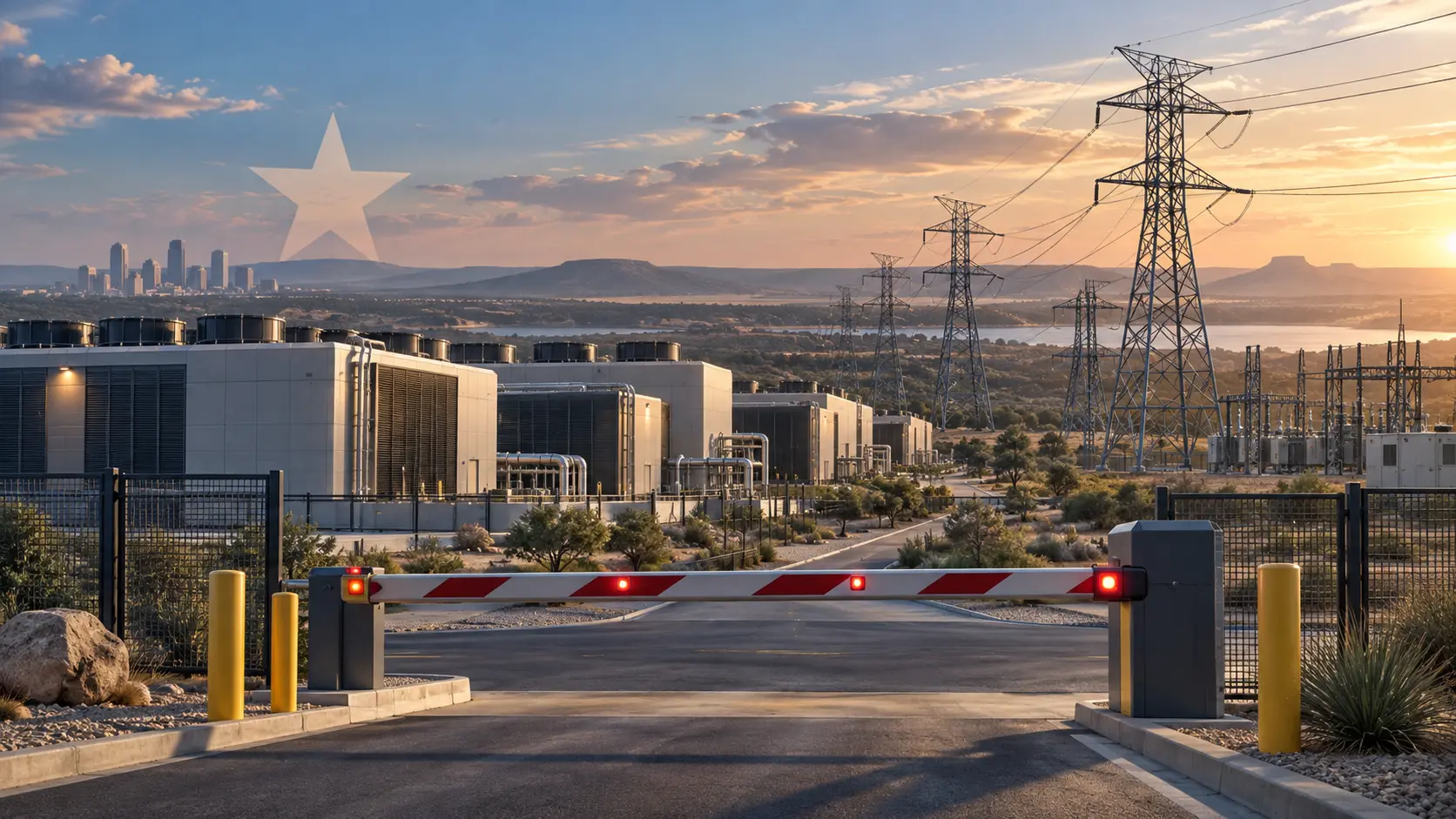
Texas Governor Greg Abbott said on September 21 that the state had halted state-issued permits and regulatory approvals for data centers until ERCOT completes a grid audit and the state obtains related water-use information. The action is a pause during the review, not a permanent ban on data-center construction.
Texas is a major U.S. hub for data-center and AI-infrastructure investment. The permitting pause could delay new projects while placing grid reliability and water disclosure under tighter scrutiny. Officials have not announced when the audit will finish or the precise conditions for resuming approvals.
US lifts sanctions on Eritrea's ruling party, military and linked entities
The US Treasury's Office of Foreign Assets Control confirmed that Eritrea's ruling party, defense forces and entities including the Red Sea Trading Corporation were removed from the SDN list after a 2021 national emergency tied to Ethiopia's humanitarian and human-rights crisis expired.
The removals are a substantive shift in US policy toward the Horn of Africa and end the related asset-blocking and transaction restrictions. Eritrea's position near the Red Sea and Bab el-Mandeb gives the decision wider strategic significance as regional shipping risks rise.
The Federal Communications Commission approved Paramount's proposed indirect foreign-ownership structure for its Warner Bros. Discovery acquisition. Saudi, Qatari and Emirati sovereign funds committed a combined $24 billion, with non-voting interests; antitrust litigation still prevents the transaction from closing.
The decision concerns the ownership structure of major U.S. news and entertainment assets and the influence of foreign state capital. FCC approval covers the foreign-equity arrangement, not final clearance of the merger itself.
All 50 states join Medicaid international-reference drug pricing model
The Trump administration announced on September 18 that all 50 states, Washington, D.C., and Puerto Rico agreed to participate in Medicaid's GENEROUS drug-pricing model, under which participating manufacturers offer prices for selected medicines closer to those in other wealthy countries.
Medicaid covers tens of millions of low-income people, people with disabilities and older adults. If the discounts are implemented, they could affect state and federal budgets and prescription-drug spending. Contract terms, covered medicines, actual prices and direct patient benefits remain unclear, so projected savings are not guaranteed outcomes.
Federal judge rules EPA's termination of $7 billion solar program unlawful
A federal judge in Rhode Island on September 18 vacated the Environmental Protection Agency's termination of Solar for All, ruling that the agency exceeded its authority. Congress rescinded unobligated balances, not the $7 billion already committed.
The program awarded funds to 60 states, tribes and nonprofits and was initially expected to help nearly one million low-income households access solar energy. The ruling restores its administrative footing, though appeals and related funding cases may affect delivery.
Warren Buffett steps down as Berkshire chair; Howard Buffett takes non-executive role
Berkshire Hathaway said on September 18 that 96-year-old Warren Buffett became chairman emeritus and remains a director. His 71-year-old son Howard Buffett is now non-executive chair, while Greg Abel continues as chief executive.
The change completes Berkshire's split of top responsibilities: Abel runs the company, while Howard leads the board and safeguards its culture. Investors will watch capital allocation and governance at the roughly $1.1 trillion conglomerate after the Buffett era.
Trump signs Russia sanctions law granting tariff powers of up to 100% against major energy buyers
President Donald Trump signed H.R. 5334 on September 18, enacting the Lindsey O. Graham Sanctioning Russia and Iran Act. The law expands sanctions on Russia’s energy, defense and shadow fleet and authorizes tariffs of up to 100% on major importers of Russian oil and gas and countries that facilitate sanctions evasion.
China, India and other economies designated as leading buyers of Russian energy or facilitators of sanctions evasion could be affected, with consequences for global trade, energy prices and consumer costs. The bill does not name target countries and gives the president broad discretion over designations and waivers.
Trump to meet Venezuela's interim president Rodríguez in New York
U.S. Ambassador to the United Nations Mike Waltz said on September 18 that President Donald Trump will meet interim Venezuelan President Delcy Rodríguez during a UN General Assembly leaders' reception in New York next Tuesday.
It will be their first face-to-face contact since the United States removed Nicolás Maduro in January. No agenda has been announced, but the meeting follows a recent U.S.-Venezuela energy agreement and marks a significant diplomatic opening.
Trump says Canada–EU associate status could be a ‘hostile act,’ threatens heavy tariffs on Europe
President Donald Trump said the EU proposal to make Canada its first associate member could be viewed as hostile if intended to harm U.S. interests, warning of very high tariffs on Europe. Canada has not received that status, and no new tariffs have been imposed in response.
Closer Canada–EU ties are becoming a new factor in U.S.–Canada trade tensions and transatlantic relations; any future retaliation could affect trade and supply chains across North America and Europe.
Trump orders steps to restrict Canadian goods from U.S. federal civilian procurement
A September 16 presidential memorandum directs U.S. agencies to identify Canadian-origin items and pursue legally permitted steps to remove them from federal civilian procurement. It does not immediately ban every Canadian product from government purchasing.
If broad categories are ultimately excluded, Canadian manufacturers and suppliers selling to the U.S. government could be directly affected and Ottawa could consider additional trade responses.
The Fed voted unanimously on September 16 to raise its target range by a quarter percentage point, citing elevated inflation.
The change may affect the US dollar, bonds and global financing costs. It is not a Bank of Canada decision and does not automatically change Canadian borrowing rates.
Trump plays down AI fears and says the U.S. must stay ahead of China
President Trump opposed a major slowdown in AI development, citing the need to preserve U.S. leadership over China as researchers continue to call for stronger safeguards.
The U.S.–China AI race can shape Canadian investment, talent, regulation and defence cooperation, though Canada has announced no new policy in this report.


 United States · Diplomacy